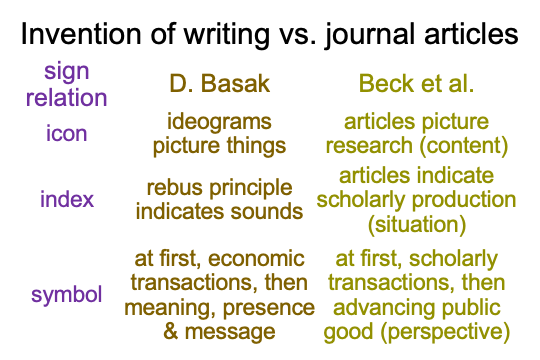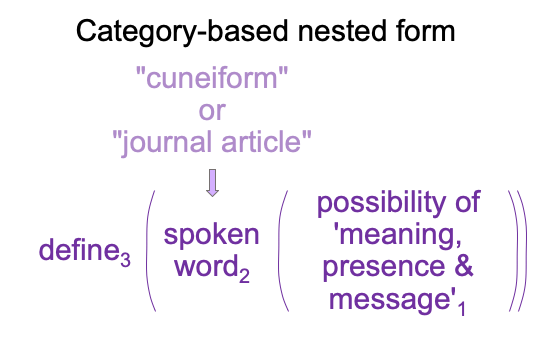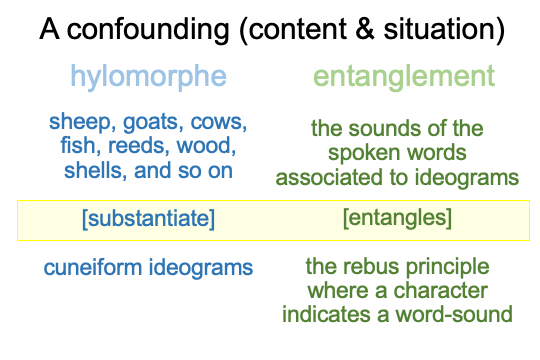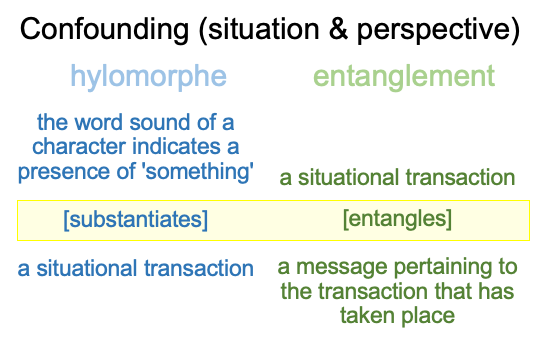
Looking at Jess Beck, et al.’s Article (2026) “Changing the Landscape of Archaeological Publishing” (Part 2 of 20)
0019 Why am I concerned about AI?
0020 Well, I have another manuscript before me. The article appears in Current Anthropology 67(1), pages 155-180 (https://doi.org/10.1086/739789). The essay goes online in February, 2026, which is around the time when Dr. D. Basak finishes downloading his 37 books on various topics in human evolution, origins and archaeology. Surely, none of the 23 authors of the proclamation in Current Anthropology know about Dr. Basak’s efforts. Artificial intelligence is barely mentioned.
0021 If AI is not the future of publishing in Archaeology, then what is this lead essay about?
Young academics in the field of archaeology are getting crushed by their dual mandates of teaching and research.
0022 The article reminds me of when I heard about the beveled-rim bowl of Uruk. This standardized hastily spun pottery found popularity as towns were becoming cities. Some speculate that the bevel-rimmed bowl was used to measure rations of grains.
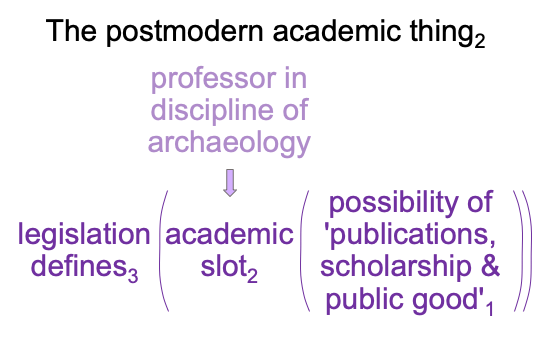
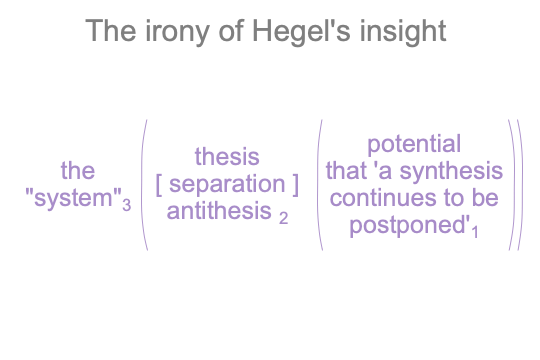
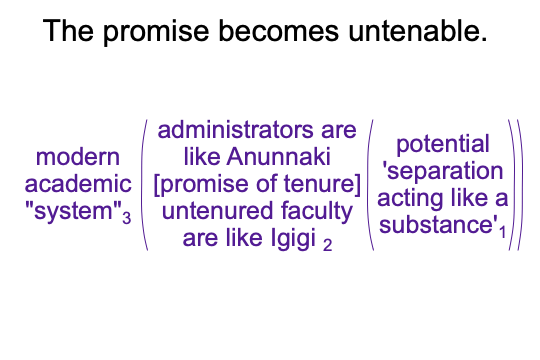
0023 The exploitation of labor by a religious and political system is not new. Archaeologists, of all experts, should know that. The irony of the contemporary complaints is startling. Postmodern academics are caught in the same dilemma as the laborers who dredged canals or cast bricks of mud and clay, thousands of years ago.
0024 The first sentence of the article reads like a manifesto. It is time to change academic publishing in archaeology.
If Dr. D. Basak has his way, it has already changed.
0025 The complaint is serious. Twenty-three authors sign the manifesto. These include Jess Beck (University of Ireland), Rowan Flad (Peabody Museum, Harvard University), Bridget Alex (Peabody Museum,), Ari Caramanic (Vanderbilt), Andre Costopoulis (University of Alberta), Nicholas Kawa (Ohio State University), Ben Marwick (University of Washington), Christina Warinner (Peabody Museum), Lewis Borck (University of Oklahoma), Kristina Douglas (Columbia Climate School), Alan Farahani (University of California, Los Angeles), Mackinley FitzPatrick (Peabody Museum), Lars Fogelin (University of Arizona), Laura F. Heath-Stout (Stanford), Scott R. Hutson (University of Kentucky), Matthew Magnani and Natalia Magnani (University of Maine), Ana Cecilia Mauricio (Pontificia Universidad Catolica de Peru), Lisa Overholtzer (McGill University), Mattaus Rest (University of Fribourg), Daniel Scott Souleles (Copenhagen Business School) and Renata Verdun de Silva Carmo (Universidade Federal do Rio de Janeiro).
I type each author’s name because each deserves a citation, adding to a number that… um… administrators might use in their promotion considerations.
0026 A citation is like a scoop of grain using a bevel-rimmed bowl.
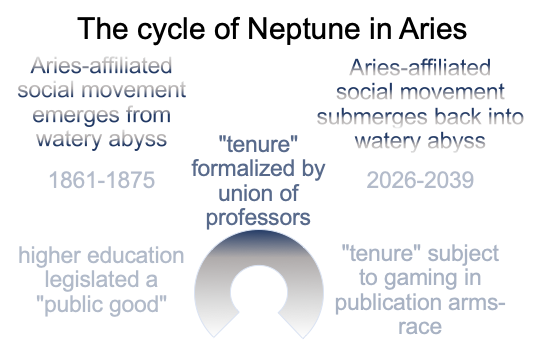
Ironically, these academics are the winners in a “publications arms-race”. They teach. They write. They review. They work over forty hours per week. Are they investigating what they love to study? Do they feel that they are flourishing? Or are they keeping the canals clear of sediments and the dikes capable of withstanding turbulent waters?
0027 What are these academics hoping for?
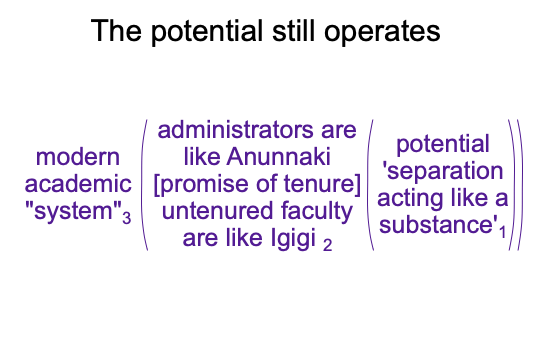
They hope that their activities further their academic careers. Their rimmed-bowls of citations carry the promise of security. Some call it “tenure”. Some call it a false hope amidst economic turmoil.
0028 At the end of the introduction, the authors elevate three “tensions”.
First (1), the theory of publishing to communicate results to other scholars clashes with the practical incentives to please hiring, promotion and granting committees.
Second (2), on one hand, papers are supposed to be presentations of knowledge. On the other hand, papers are products that publishing corporations leverage for profit. There is a price that the author (or the author’s institution) must pay in order to establish open access. Otherwise, the article goes behind a paywall.
Third (3), the academic must teach classes (and perform other pedagogical duties), which are not as valued (by the aforementioned committees) as productive (paper publishing) research.
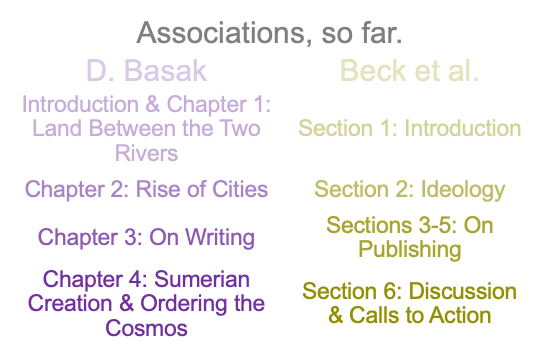
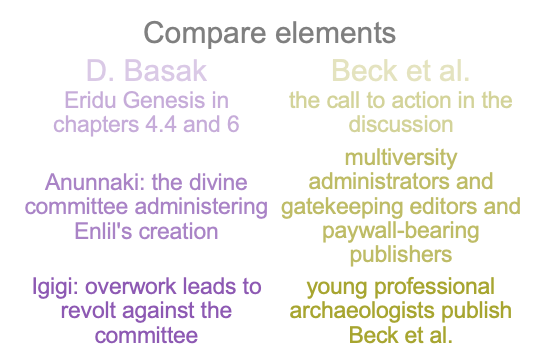
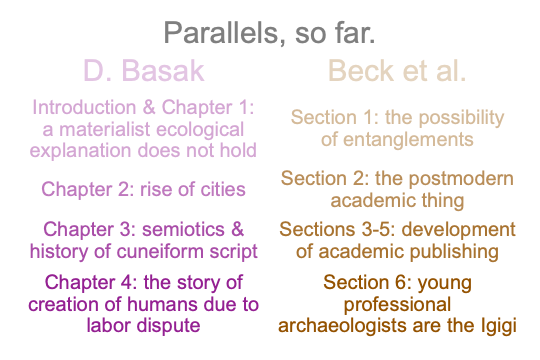
0029 To me, by the end of the introduction, these young upcoming academics in archaeology articulate the same complaints as the corvee laborers during the Uruk period, saying (more or less), “We are compelled to labor in an exploitative system that extracts profits without compensation, restricts research results from the public and biases stories about the human past.”
0030 Biased stories?
Yeah, look at chapter 1 of Dr. D. Basak’s book, which could serve as a textbook for any classroom on the subject of Sumerian mythology, ancient civilizations, and the epic quest for the origins of humanity.